
The ITR-1 Sahaj AY 2026-27 is the simplest return form in the Indian tax system, and as of this year, it covers a meaningfully wider slice of salaried taxpayers than ever before. CBDT Notification 45/2026 now allows a second house property, and the relief that lets small equity long-term capital gains up to ₹1.25 lakh stay in ITR-1 (introduced for AY 2025-26 by Notification 40/2025) continues this year.
If you are a salaried employee or pensioner with a clean income profile, this is the form for you. Here is exactly who qualifies, what changed, and how to file without triggering a Section 139(9) defective return notice.

Who Can File ITR-1 Sahaj for AY 2026-27
You can use ITR-1 Sahaj AY 2026-27 only if you tick every one of these boxes:
- Residential status: Resident individual (Ordinarily Resident only; RNOR and NRI are excluded).
- Total income: Up to ₹50 lakh in FY 2025-26.
- Income sources: Limited to salary or pension, income from up to two house properties, other sources (interest, dividends, family pension), agricultural income up to ₹5,000, and long-term capital gains under Section 112A up to ₹1.25 lakh.
- Capital gains: Only Section 112A LTCG (listed equity shares and equity mutual funds) up to ₹1.25 lakh, with no STCG, no other LTCG and no carry forward losses.
If any single condition fails, you must file ITR-2 (or ITR-3 / ITR-4, depending on your income profile).
The Two Big Changes in ITR-1 AY 2026-27
Change 1: Two House Properties Now Allowed
Previously, ITR-1 capped you at one house property. Owning a second flat, even a vacant inherited home or a parents’ apartment, automatically disqualified you and pushed you into ITR-2.
From AY 2026-27, the expanded ITR-1 covers up to two house properties. One can be self-occupied (notional rent nil) and the other let-out, both self-occupied, or both let-out. The combined income from both properties (after standard deduction and home loan interest under Section 24) flows into your Income from House Property head.
This change alone makes ITR-1 the right form for an estimated additional 8 to 12 lakh salaried filers annually who were previously stuck on ITR-2.
Change 2 (since AY 2025-26): LTCG Under Section 112A Up to ₹1.25 Lakh
The second relief targets retail equity investors, and it actually arrived a year earlier, through CBDT Notification 40/2025 for AY 2025-26; it continues unchanged this year. Section 112A, covering long-term gains on listed equity shares and equity-oriented mutual funds, has a basic exemption of ₹1.25 lakh per financial year. You can report Section 112A LTCG within this exemption directly in ITR-1, provided:
- You have no short-term capital gains (Section 111A or otherwise).
- You have no other long-term capital gains (debt funds, real estate, gold, listed bonds).
- You have no brought-forward losses or carry-forward losses.
- You are not offsetting LTCG against any other head.
If even one of these conditions fails, say, you sold an ELSS unit with ₹40,000 gain and also have a ₹15,000 STCG from a single equity trade, you must file ITR-2.
Who Cannot File ITR-1 (Even If You Earn Salary)
ITR-1 disqualifications are absolute. If any of these apply, you must escalate to ITR-2 or ITR-3:
- You are an NRI, an RNOR, or a Hindu Undivided Family (HUF).
- Total income exceeds ₹50 lakh.
- You are a director in any company (listed or unlisted, public or private).
- You hold any unlisted equity shares during the financial year, including shares received under ESOPs of an unlisted parent.
- You have deferred tax on ESOPs of an eligible startup (Section 17(2)(vi)).
- You own more than two house properties.
- You have business or professional income of any kind, including freelance gigs and side consulting.
- You have foreign income or foreign assets (a single foreign bank account, foreign mutual fund, or vested foreign RSU pushes you to ITR-2).
- You have agricultural income above ₹5,000.
- You have any capital gain that does not fit within the Section 112A ₹1.25 lakh exemption.
- You are claiming relief under Section 90, 90A, or 91 (DTAA relief on foreign tax).
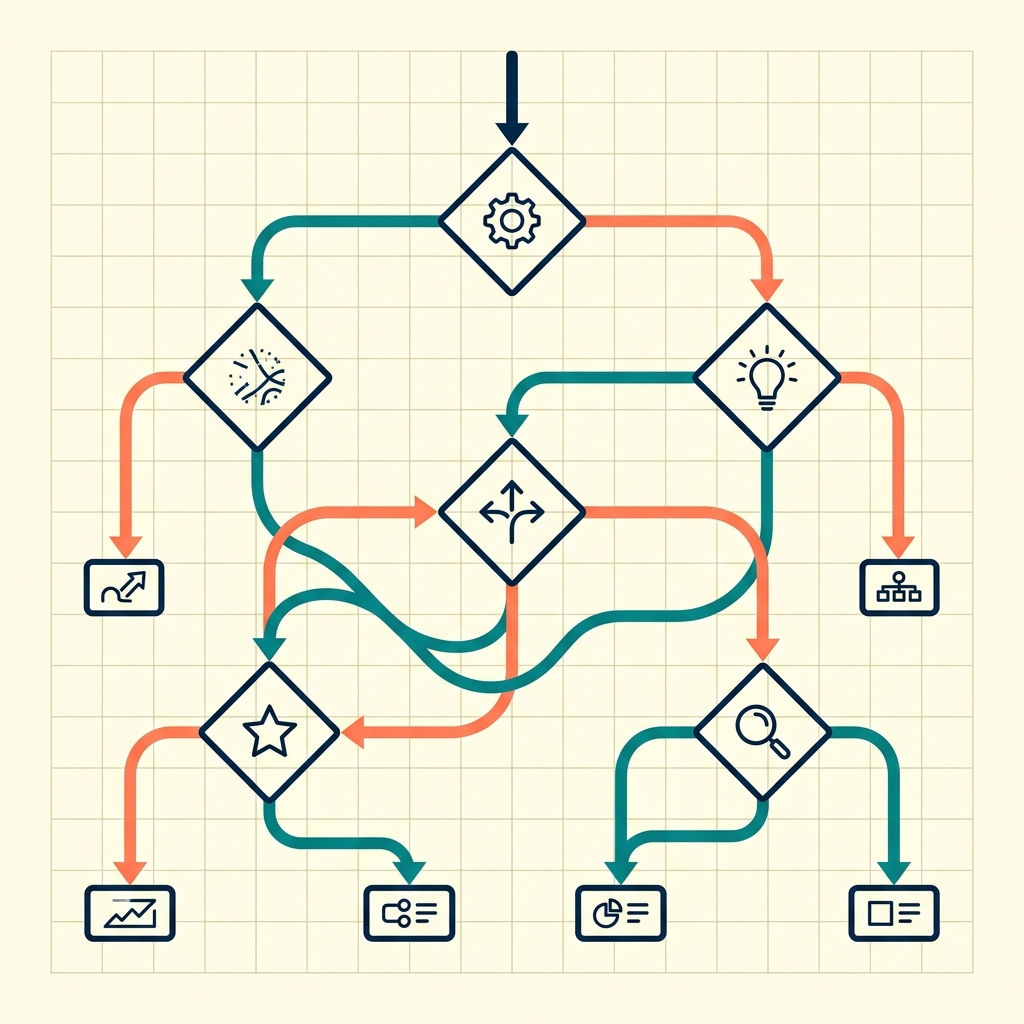
ITR-1 Income Sources: What You Can and Cannot Report
| Income head | Allowed? | Limit |
|---|---|---|
| Salary / pension | ✅ Yes | Within ₹50L total |
| Family pension | ✅ Yes | Reported under Other Sources |
| House property | ✅ Yes | Up to 2 properties |
| Bank interest, dividend | ✅ Yes | No specific limit |
| LTCG under Section 112A | ✅ Yes | Up to ₹1.25 lakh only |
| STCG (any section) | ❌ No | Use ITR-2 |
| Other LTCG | ❌ No | Use ITR-2 |
| Business / profession | ❌ No | Use ITR-3 or ITR-4 |
| F&O or intraday trading | ❌ No | Business income: use ITR-3 |
| Crypto / VDA | ❌ No | Section 115BBH: use ITR-2 or ITR-3 |
| Foreign income | ❌ No | Use ITR-2 |
| Agricultural income | ✅ Conditional | Up to ₹5,000 only |
Filing ITR-1 Sahaj AY 2026-27: Step-by-Step
Step 1: Gather Your Documents (Before Opening the Portal)
You need: Form 16 from your employer, AIS and TIS from the e-filing portal, bank interest certificates and FD statements, Form 26AS, capital gains report from your broker (if you have 112A LTCG), home loan interest certificate (if you have a housing loan), and rent receipts plus the landlord’s PAN (if claiming HRA in old regime).
Step 2: Reconcile AIS Against Your Records
Pull your AIS from the official e-filing portal and reconcile every entry: salary TDS, interest income, dividend, capital gains, large deposits, credit card spends. Mismatches are the single biggest trigger for post-filing notices.
Step 3: Choose Your Tax Regime
The new regime under Section 115BAC is the default for AY 2026-27. If your old-regime tax (with 80C, 80D, HRA, LTA, 24(b) home loan interest) is lower, you must explicitly opt out at the start of the form. Re-run the math both ways before deciding. For two-property owners with home loan interest above ₹2 lakh, the old regime often still wins.
Step 4: Enter Income Heads Carefully
For two house properties, classify each as self-occupied or let-out. For self-occupied, the income is nil but you can claim interest on borrowed capital up to ₹2 lakh (capped, old regime). For let-out, declare gross rent, deduct municipal taxes paid, take the 30% standard deduction, and deduct full interest.
For LTCG under Section 112A, enter the scrip-wise or fund-wise details exactly as shown in your broker’s capital gains report. Grandfathering value (closing price on January 31, 2018) applies to acquisitions before that date.
Step 5: Verify TDS and Tax Credits
Schedule TDS auto-populates from Form 26AS / AIS. Double-check that every TDS entry matches your records, especially for interest, dividend, and rent TDS deducted by your employer.
Step 6: Validate, Submit, and E-Verify Within 30 Days
Run the in-utility validation, fix every error and warning, then submit. E-verify within 30 days using Aadhaar OTP, net banking, or bank account validation. An unverified return is treated as not filed.
Common ITR-1 Mistakes That Trigger Notices
- Filing ITR-1 with a single ESOP grant from an unlisted parent. This disqualifies you even if you never sold a share. Use ITR-2.
- Missing a second savings account in interest income. AIS sees every bank’s TDS, so your ITR must match.
- Claiming HRA without rent receipts above ₹1 lakh annual. You must report the landlord’s PAN. Missing PAN means your HRA will be disallowed.
- Reporting LTCG of ₹1.30 lakh and assuming the ₹1.25 lakh exemption keeps you on ITR-1. No, once total 112A LTCG exceeds ₹1.25 lakh, you must file ITR-2.
- Forgetting to opt out of the new regime when old regime is more beneficial. Once filed, you cannot switch for that AY.
- Mismatching Form 16 salary with Section 17 breakup. The AIS shows your employer’s TDS return, while Part B of Form 16 is the supporting detail. Both must perfectly agree.
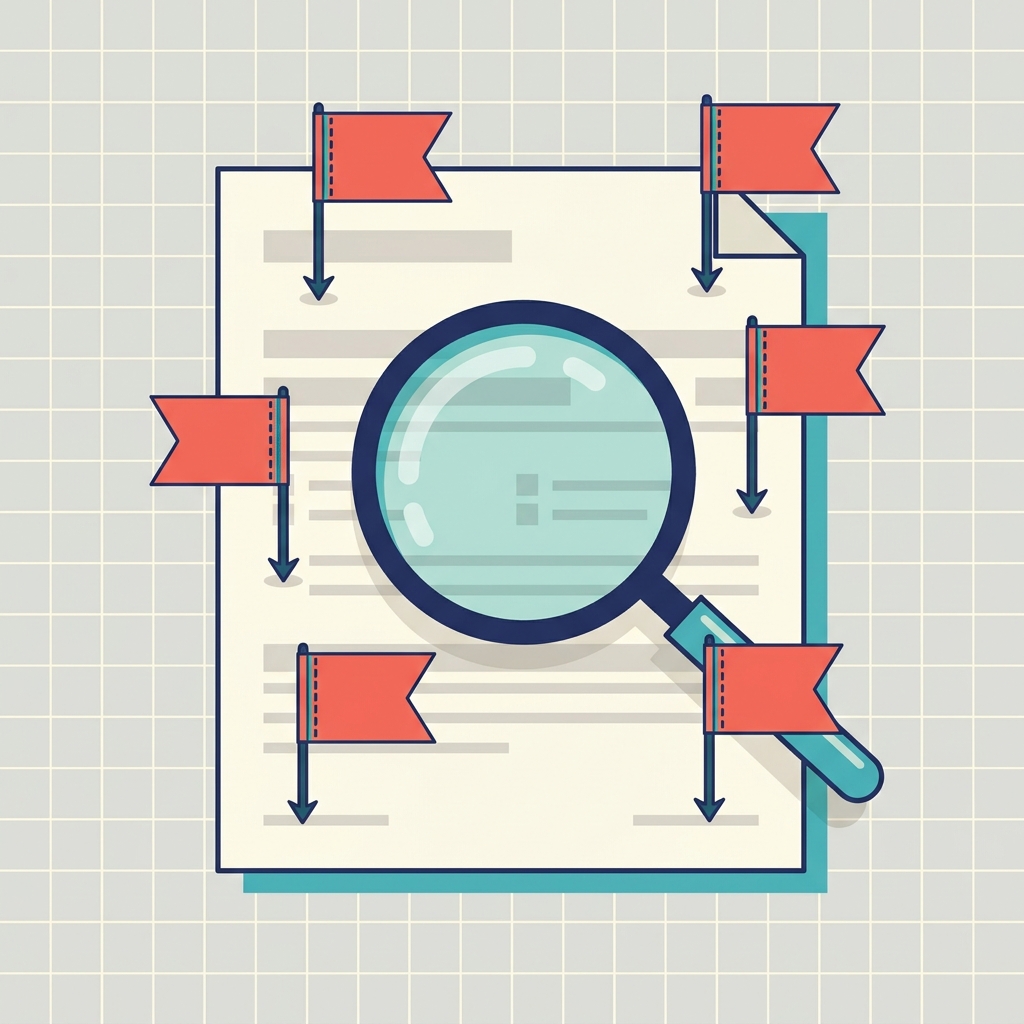
ITR-1 Sahaj vs ITR-2: When to Upgrade
The decision tree is brutal in its simplicity:
| Trigger | Verdict |
|---|---|
| Salary only, ≤ ₹50L, ≤ 2 properties, no capital gains | ITR-1 ✓ |
| Salary + LTCG ₹1.25 lakh exactly, no other gains | ITR-1 ✓ |
| Salary + STCG ₹1 | ITR-2 (forced) |
| Salary + foreign RSU vesting (no sale) | ITR-2 (forced) |
| Salary + ₹6,000 agricultural income | ITR-2 (forced) |
| Salary + three properties (one ancestral) | ITR-2 (forced) |
| Salary + ESOP from unlisted startup | ITR-2 (forced) |
When in doubt, file ITR-2. It accepts everything ITR-1 accepts plus more, and there is absolutely no penalty for using a heavier form. The reverse (using ITR-1 when you needed ITR-2) is what gets you a defective return notice.
ITR-1 Filing Deadline and Late Fees
| Action | Deadline |
|---|---|
| File ITR-1 (original return) | 31 July 2026 |
| Belated return (with late fee) | 31 December 2026 |
| Revised return | 31 March 2027 |
| E-verify after submission | Within 30 days of filing |
Late fee under Section 234F is ₹1,000 if total income is up to ₹5 lakh, and ₹5,000 if above ₹5 lakh. Interest under Section 234A applies at 1% per month on any unpaid tax, calculated from August 1 onwards.
How Reconscribe Cuts ITR-1 Filing Time in Half
Even the ITR-1 Sahaj, the supposedly simple form, collapses into hours of typing when you have two property statements, a five-broker AIS, multiple bank interest certificates, and a Form 26AS that doesn’t quite match. Reconscribe ingests all of it: PDFs, CSV exports, AIS downloads, and broker reports. It outputs a clean, pre-reconciled sheet you can paste straight into the ITR-1 Sahaj offline utility. Every figure is already securely matched against your AIS.
→ Start your ITR-1 reconciliation with Reconscribe
Want your ITR-1 filed for you?
Our finance and accounting team prepares and files ITRs end to end: the right form, AIS and Form 26AS reconciliation, regime choice, capital gains schedules and e-verification, all before the deadline. Tell us your situation and we will reply with a quote within one working day.
Frequently Asked Questions
Can I file ITR-1 if I have a single foreign mutual fund?
No. A single foreign asset, even one US-listed ETF, forces you to ITR-2.
Does dividend income disqualify me from ITR-1?
No. Dividend income is reported under "Income from Other Sources" and is fully compatible with ITR-1.
What if my LTCG is exactly ₹1.25 lakh?
You can still file ITR-1. The ₹1.25 lakh figure is inclusive, meaning gains up to and including ₹1.25 lakh qualify. Gains of ₹1.25 lakh and ₹1 (₹1,25,001) trigger ITR-2.
I switched jobs mid-year and have two Form 16s. Can I still file ITR-1?
Yes, multiple Form 16s do not disqualify you. Simply combine both salaries under the Income from Salary head and ensure that the total TDS matches Form 26AS.
Is e-verification mandatory?
Yes. You have 30 days from filing to e-verify. Beyond 30 days, the return is treated as not filed and you must file a belated return with the applicable late fees.
Related guides:
- 🏠 Master index: ITR Forms AY 2026-27: Pick the Right Return
- 🔵 ITR-2 Guide: For Capital Gains, Multiple Properties, and Foreign Income
- 🟣 ITR-4 Sugam: If You Have Side Freelance Income
Author: Aman · Last reviewed: May 26, 2026 · CBDT Notification: 45/2026
Official reference: Income-tax Act, 2025 (as amended by the Finance Act, 2026), Income Tax Department.
Related free calculators: old vs new regime calculator, capital gains tax calculator, ITR-1 late fee and interest calculator, HRA exemption calculator.
Official source: Always confirm the official ITR-1 form and instructions at incometax.gov.in.